

Living with pulmonary hypertension (PH) can make daily activities feel exhausting, but breathing exercises offer a way to improve exercise capacity and overall well-being. In this guide, we explain how breathing exercises like diaphragmatic breathing can help PH patients breathe easier, increase stamina, and improve their quality of life.
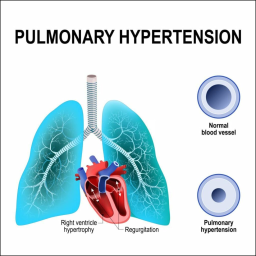
What Is Pulmonary Hypertension and How Does It Affect Breathing?
Pulmonary hypertension (PH) is a condition where the blood pressure in the lungs’ arteries is higher than normal, making it harder for the heart to pump blood. This leads to shortness of breath, fatigue, and limited exercise capacity. For patients with PH, breathing can feel more laborious during activity, especially when exerting themselves. That’s why exercises that improve lung function and breathing patterns are essential for better managing PH.
Why Breathing Exercises Matter for Pulmonary Hypertension Patients
Breathing exercises are designed to help patients with PH enhance lung efficiency, reduce breathlessness, and improve oxygen intake. By focusing on controlled, deep breathing, patients can promote better oxygenation, reduce the work of breathing, and activate more lung capacity. Over time, these exercises can help with energy conservation during physical activities, providing a safer way to build exercise capacity without feeling overwhelmed.
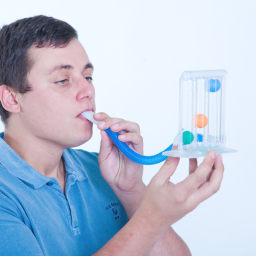
Breathing Exercises to Improve Exercise Capacity in PH: What to Know
· Diaphragmatic breathing (abdominal breathing): inhale deeply through the nose, letting the abdomen rise, and exhale slowly through pursed lips.
· Pursed-lip breathing: inhale deeply through the nose, then exhale slowly through pursed lips to help keep airways open and ease breathing.
· Box breathing (square breathing): inhale for 4 seconds, hold for 4 seconds, exhale for 4 seconds, hold again for 4 seconds—repeat.
· Paced breathing: regulate breathing speed by inhaling slowly for 3 seconds and exhaling for 3–5 seconds.
· Breathing with movement: practice deep breathing while walking slowly or doing light stretching to combine lung expansion with physical activity.
The Power of Diaphragmatic Breathing for PH Patients
Diaphragmatic breathing, also known as abdominal breathing, is an effective technique for PH patients to reduce the work of breathing. By engaging the diaphragm, this technique helps maximize lung capacity and oxygen intake, allowing for better control during physical activities. This deep breathing method can reduce strain on the chest muscles and help improve overall lung function.
How to Perform Diaphragmatic Breathing for Pulmonary Hypertension
To practice diaphragmatic breathing, start by sitting comfortably or lying on your back. Place one hand on your chest and the other on your abdomen. Slowly inhale through your nose, ensuring that your abdomen rises rather than your chest. Exhale slowly through pursed lips, letting the abdomen fall. Repeat for 5–10 minutes, focusing on the movement of your diaphragm and not your chest. This exercise can be done several times throughout the day, especially before or after physical activity.
Other Breathing Exercises to Support PH Management
· Diaphragmatic breathing (abdominal breathing): inhale deeply through the nose, letting the abdomen rise, and exhale slowly through pursed lips.
· Pursed-lip breathing: inhale deeply through the nose, then exhale slowly through pursed lips to help keep airways open and ease breathing.
· Box breathing (square breathing): inhale for 4 seconds, hold for 4 seconds, exhale for 4 seconds, hold again for 4 seconds—repeat.
· Paced breathing: regulate breathing speed by inhaling slowly for 3 seconds and exhaling for 3–5 seconds.
· Breathing with movement: practice deep breathing while walking slowly or doing light stretching to combine lung expansion with physical activity.
How to Incorporate Breathing Exercises into Your Daily Routine
Incorporating breathing exercises into daily activities helps make them a natural part of your routine. Try to start your day with a few minutes of diaphragmatic breathing to set the tone for better breathing patterns. If you’re engaging in light exercises, such as walking or stretching, pause to practice deep breathing throughout the activity. This will help reduce breathlessness and improve stamina.

When to Seek Professional Guidance for Breathing Exercises
· Consult a respiratory therapist or pulmonologist to receive personalized recommendations on how to incorporate breathing exercises into your routine.
· If you experience dizziness, fainting, or significant shortness of breath during exercises, seek medical advice.
· Make sure you have a safe space to practice breathing exercises, especially if you have severe PH or other respiratory conditions.
· If you feel unsure about technique, a physical therapist can assist in guiding you through breathing exercises and adapting them to your needs.
Takeaway: Breathe Your Way to Better Health with PH
· Increased shortness of breath or dizziness when practicing breathing exercises.
· Pain in the chest, jaw, or arm that comes on suddenly during or after exercise.
· Severe fatigue or swelling in the legs that persists even with reduced activity.
· Sudden changes in breathing patterns or heart rate during deep breathing exercises.
· Persistent or worsening breathlessness that does not improve after practicing breathing techniques.